
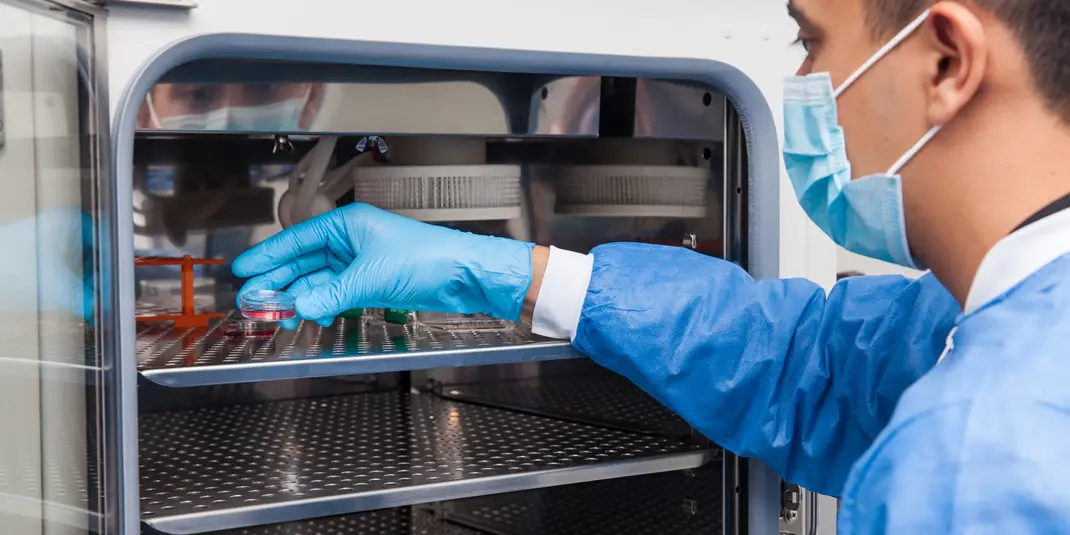
CO₂ incubators play a critical role in cell culture applications, providing the stable temperature, humidity, and gas conditions needed to support healthy cell growth. Whether you’re working in biotechnology, pharmaceutical research, clinical diagnostics, or academia, proper installation and maintenance are essential to ensuring consistent results and protecting valuable cultures.
As a trusted laboratory equipment supplier, SRS helps laboratories select, install, and maintain CO₂ incubators from leading manufacturers, ensuring reliable performance from day one.
Where a CO₂ incubator is installed can have a significant impact on its performance. Incubators should be placed in a clean, low-traffic area away from direct sunlight, HVAC vents, doors, and windows. Avoid locating the unit near sources of heat, vibration, or electromagnetic interference, which can affect temperature stability and recovery times.
A stable room environment helps the incubator maintain consistent operating conditions and recover more quickly after door openings.
Before startup, confirm that the incubator is connected to a dedicated, grounded electrical circuit that meets the manufacturer’s specifications. This helps reduce the risk of unexpected power interruptions that could impact sensitive cultures.
Most CO₂ incubators operate at a 5% CO₂ concentration to maintain proper media pH. Using high-quality laboratory-grade CO₂, properly sized regulators, and regularly inspected gas lines helps ensure consistent performance. Many laboratories also use automatic cylinder switchover systems and inline gas filters to prevent interruptions and reduce contamination risks.
Before introducing cultures, make sure the incubator is level and configured according to the manufacturer’s recommendations. Fill the humidity pan with sterile water and allow the chamber to stabilize before use.
Taking the time to verify temperature, humidity, and gas settings during initial startup can help prevent issues later and improve overall culture consistency.
Contamination is one of the most common challenges associated with CO₂ incubators. Every time the door is opened, airborne contaminants can enter the chamber and environmental conditions are temporarily disrupted.
Many modern incubators offered through SRS include advanced contamination-control features such as HEPA filtration, copper-enriched interiors, UV sterilization, and high-temperature decontamination cycles that help protect valuable cell cultures.
Routine maintenance is essential for ensuring accurate and repeatable results. Laboratories should routinely inspect door seals, humidity systems, gas connections, and chamber components for signs of wear or contamination.
Temperature and CO₂ sensors should also be calibrated periodically using traceable standards to verify accuracy. Alarm systems should be tested regularly to ensure they function properly in the event of temperature or gas deviations.
For regulated environments operating under GMP, GLP, ISO 17025, CAP, or CLIA requirements, calibration and validation activities should be documented according to established quality procedures.
A CO₂ incubator is more than just another piece of laboratory equipment—it is a critical component of your cell culture workflow. Proper installation, routine maintenance, and contamination prevention are essential to maintaining culture integrity and producing reliable results.
SRS provides laboratories with access to leading CO₂ incubator technologies, installation support, preventive maintenance services, and laboratory equipment expertise to help maximize equipment performance and protect valuable research.
Whether you’re outfitting a new laboratory or upgrading existing equipment, SRS can help you find the right solution for your application.